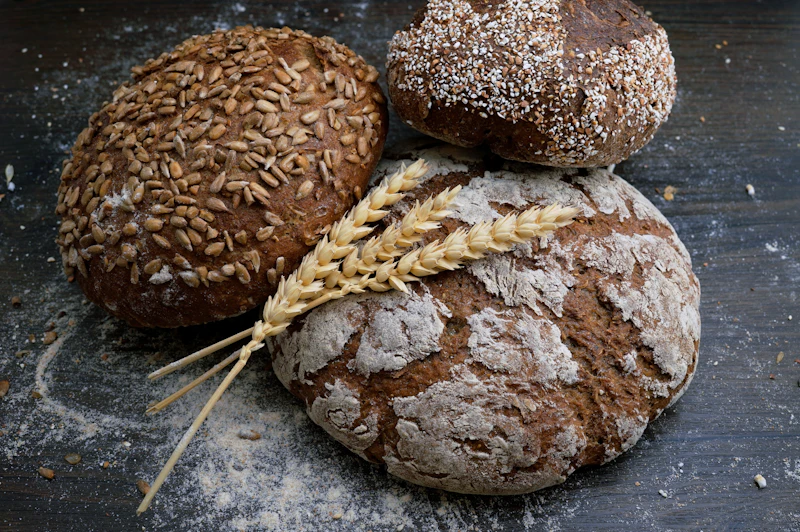
What is Khapli Wheat? The Ancient Emmer Grain Making a Comeback
Discover why nutritionists and diabetic specialists are recommending ancient Emmer (Khapli) wheat over modern dwarf wheat for everyday rotis and digestion.

The Heritage of Ancient Emmer Wheat
In a world dominated by ultra-processed flours and heavily hybridized dwarf wheat, Khapli Wheat (botanically known as Triticum dicoccum or Emmer wheat) stands as a proud testament to traditional Indian agriculture. Cultivated for over 10,000 years, Khapli was the grain of choice across the Indus Valley civilization and Maharashtra’s Deccan plateau.
Why Is Khapli Wheat Different from Regular Wheat?
Unlike modern wheat varieties bred in the 1960s for high gluten elasticity and rapid commercial yield, Khapli remains genetically unadulterated. Its hull protects the grain naturally against pests, eliminating the need for heavy chemical sprays during cultivation.
- Significantly Lower Glycemic Index (GI): Khapli breaks down slowly in the bloodstream, avoiding the sharp insulin spikes caused by regular maida or processed atta.
- Gentler Gluten Structure: While not completely gluten-free, the gluten proteins in Khapli are structured in a much simpler molecular chain that many people with mild wheat sensitivity find easily digestible without bloating.
- Packed with Natural Dietary Fiber: Contains up to twice the soluble and insoluble fiber of commercial wheat, keeping you satiated for hours.
How to Make Soft Khapli Rotis
Because Khapli has less elastic gluten, knead the dough with warm water and let it rest for at least 20 minutes before rolling. Toast on a medium-hot cast iron tawa with a drop of A2 cow ghee or cold-pressed oil for an intensely nutty, aromatic flatbread.
Cook This With Pure Canyon Greens Organics
Directly sourced, unadulterated spices and stone-ground grains featured in this guide.